In our survey we asked 92 students for their reasons to apply at FASoS. Below you will find information about our sample population. We collected all the data through online and ‘pen-and-paper’ surveys. The data collection was carried out in March 2020.
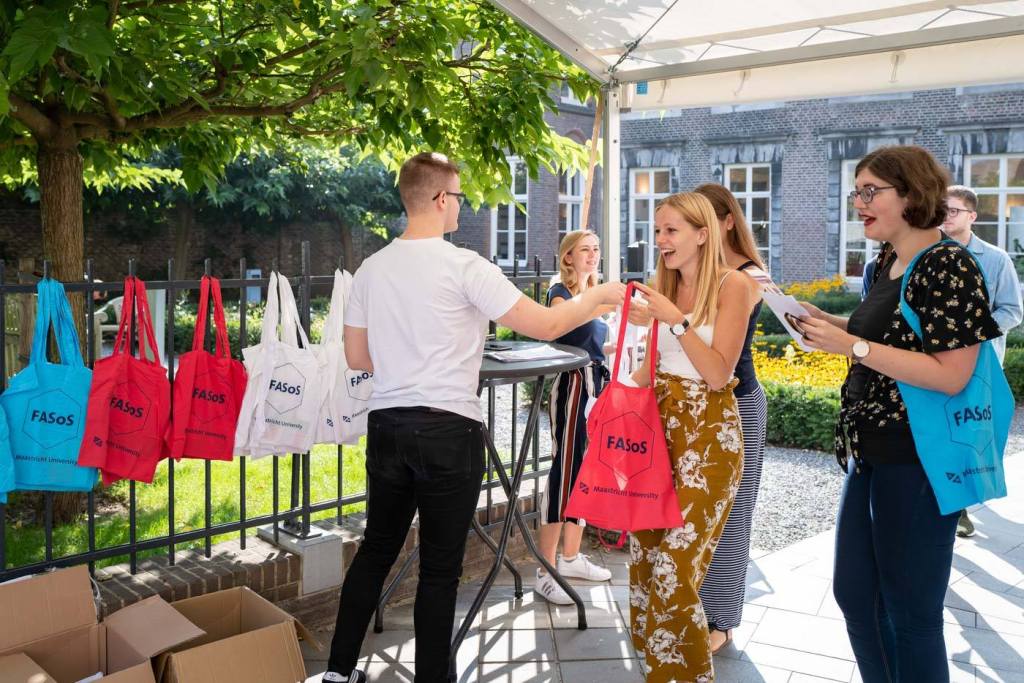
General Information about the Respondents
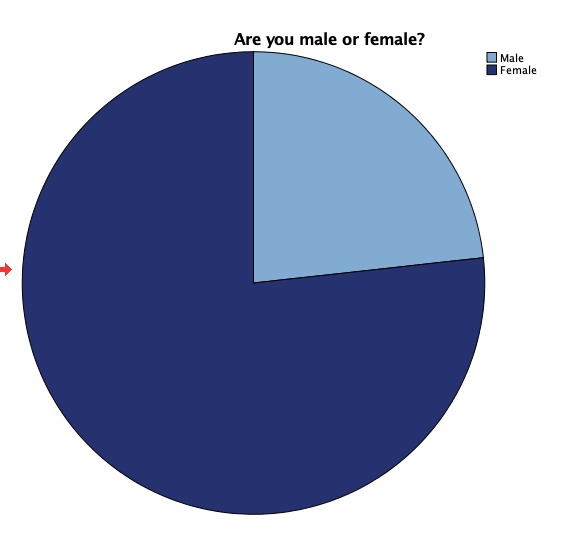
Gender
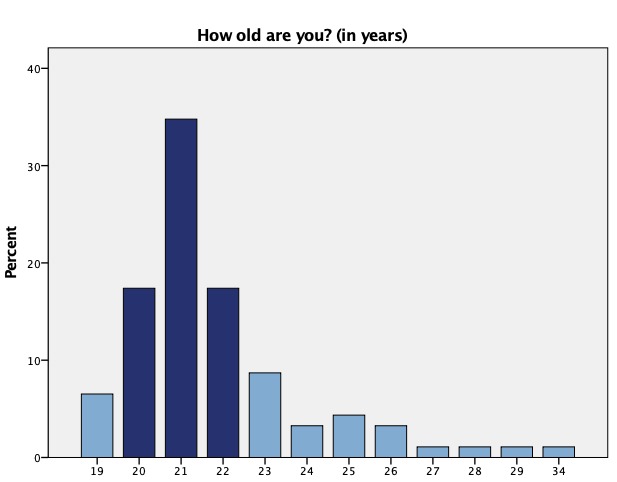
Age
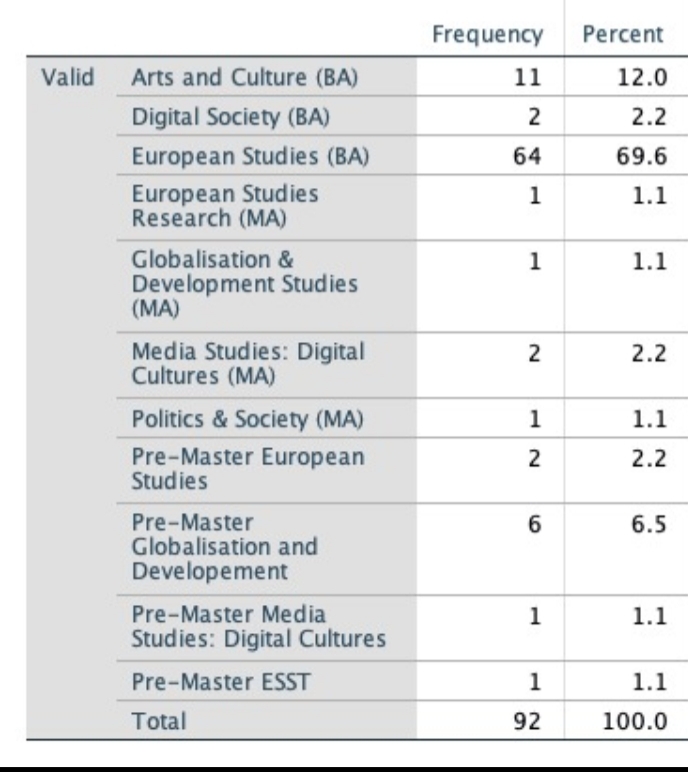
Study Program

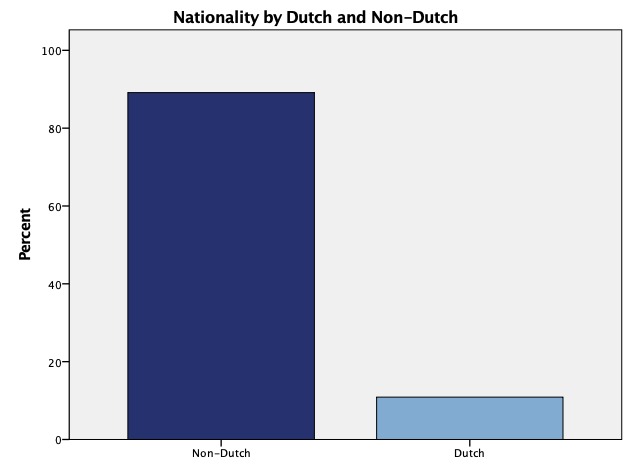
Nationality
Our Hypotheses

Our Leading Hypothesis
states that the international character of Maastricht University contributes highly to the application of students. It is based on an article by Chen (2008) about international students’ choices in Canda. Follow the link to learn more about it and read the article.
Working Hypotheses & Methods of Analysis
H1: There is a relationship between the students’ citizenship & the importance of UM’s international character.
H2: There is a relationship between the students’ citizenship & the importance of the study program.
H3: Students’ age while applying influences the relationship between the students’ citizenship & the importance of UM’s international character.
H4: Distance between students’ home and UM influences the relationship between the students’ citizenship & the importance of UM’s international character.
Data Analysis Method: Cramer’s V
This is just to give you an impression of our research design. If you want to know more details about our research methods, just click on the link below.
Click here for more information about our data analysis method
Links to Relevant Articles
Bijsmans, P. & Harber. P. (2014). The Use of Matching as a study choice aid by Maastricht University’s Bachelor in European Studies: facilitating transition to higher education?
Boudarbat, B. & Montmarquette, C. (2009). Choice of fields of study of university Canadian graduates: the role of gender and their parents’ education.
 Internationalization at FASoS